Steel Connections: Your Guide to Structural Steel Connections
Angle Cleat Connection
bottom plate steel beam
flange plate connection
moment connection plate
spliced beam connection
Moment Connection
Moment Connection
Moment Connection
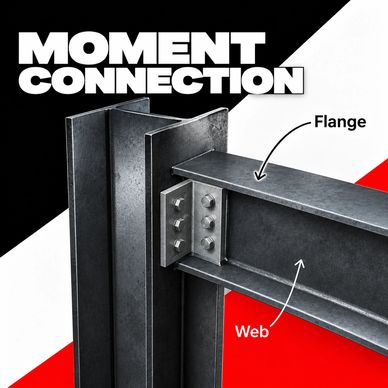
Moment Connection Plate – Heavy-Duty Structural Steel
A moment connection plate bolts to the column flange and top cap plate, flange plate connection ensuring superior strength for heavy structural loads and high wind resistance. These flange plate connections feature reinforced welds and thicker steel plates than standard beam flanges, allowing for enhanced stability and durability, similar to the robust characteristics of an angle cleat connection. Additionally, when combined with the bottom plate steel beam and spliced beam connection, the overall structural integrity is significantly improved.
Angle Cleat
Moment Connection
Moment Connection

An angle cleat connection is employed to securely bolt one steel beam to the side of another, often utilizing a bottom plate steel beam. Typically, two steel angle cleats are fitted on opposite sides of the beam web, forming a robust flange plate connection that offers a strong, stable, and reliable structural steel connection. This method is essential in applications such as moment connection plates and spliced beam connections. moment connection plate
spliced beam connection
Twin Beams
Moment Connection
Bottom Plate
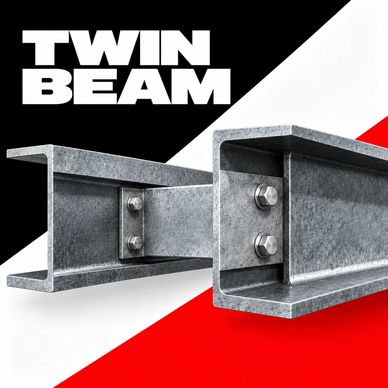
Twin steel beams, featuring a bolted structural steel connection, are especially suited for projects that face restricted headroom or limited lifting access where cranes are impractical. Installed individually to minimize lifting weight, these beams can be easily connected using an angle cleat connection. Once in place, they are bolted together to support two skins of brickwork. Typically, the overall width spans 300mm from toe to toe, with bolt holes drilled at 500–600mm centers, ensuring a robust structural support. This design can include various configurations such as a bottom plate steel beam or a flange plate connection to further enhance stability. Additionally, moment connection plates can be utilized for increased load-bearing capacity, complementing the spliced beam connection method as needed. Moment Connection Plate
Bottom Plate
Flange Plate Connection
Bottom Plate
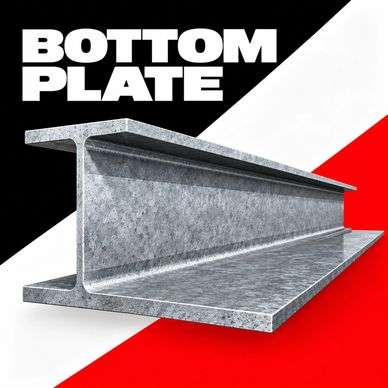
A bottom plate steel beam is specifically engineered to provide support for brickwork and timber floor joists. This structural element features a welded steel plate under the beam, often offset to enhance support for masonry applications. Commonly utilized above bifold doors and large openings, this solution can include an angle cleat connection or a flange plate connection to offer additional stability. Furthermore, when required, a moment connection plate or a spliced beam connection can be integrated to ensure reliable load-bearing capabilities.
Flange Plate Connection
Flange Plate Connection
Flange Plate Connection

Flange plate connections are essential for joining structural steel beams, such as Universal Columns (UC), Universal Beams (UB), and Parallel Flange Channels (PFC). These connections, which involve welding flange plate connections to the flanges of steel beams, ensure a strong, secure, and reliable bonding method. Additionally, for enhanced structural integrity, methods like angle cleat connections, bottom plate steel beam installations, moment connection plates, and spliced beam connections can be employed alongside flange plate connections.
Angle Cleat Connection
bottom plate steel beam
flange plate connection
moment connection plate
spliced beam connection
Top Plate
Flange Plate Connection
Flange Plate Connection

Top Plate Steel Beam – Structural Brickwork Support
A top plate steel beam is designed to support two skins of brickwork, making it ideal for home extensions and structural wall openings. The steel plate is welded centrally along the top of the beam to provide stable masonry support and can feature an angle cleat connection for added strength. Commonly used when removing an existing external wall to create an open-plan extension, these beams can be complemented with a bottom plate steel beam for enhanced load distribution. Additionally, some applications may involve a flange plate connection or a moment connection plate for specific structural requirements. These plates are typically available in widths of 250mm or 300mm and thicknesses of 8mm or 10mm, and a spliced beam connection may also be utilized when longer spans are needed.
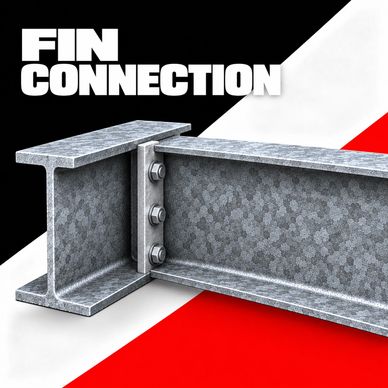
Fin Plate Connection
Fin Plate Connection
Fin Plate Connection
Moment Connection Plate – Heavy-Duty Structural Steel
A moment connection plate bolts to the column flange and top cap plate, flange plate connection ensuring superior strength for heavy structural loads and high wind resistance. These flange plate connections feature reinforced welds and thicker steel plates than standard beam flanges, allowing for enhanced stability and durability, similar to the robust characteristics of an angle cleat connection. Additionally, when combined with the bottom plate steel beam and spliced beam connection, the overall structural integrity is significantly improved.
Splice Connection
Fin Plate Connection
Fin Plate Connection
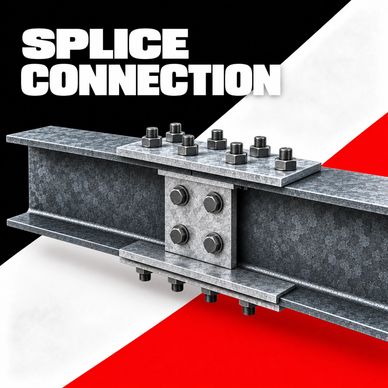
An angle cleat connection is employed to securely bolt one steel beam to the side of another, often utilizing a bottom plate steel beam. Typically, two steel angle cleats are fitted on opposite sides of the beam web, forming a robust flange plate connection that offers a strong, stable, and reliable structural steel connection. This method is essential in applications such as moment connection plates and spliced beam connections. moment connection plate
spliced beam connection
Stub Connection
Fin Plate Connection
Stub Connection

Twin steel beams, featuring a bolted structural steel connection, are especially suited for projects that face restricted headroom or limited lifting access where cranes are impractical. Installed individually to minimize lifting weight, these beams can be easily connected using an angle cleat connection. Once in place, they are bolted together to support two skins of brickwork. Typically, the overall width spans 300mm from toe to toe, with bolt holes drilled at 500–600mm centers, ensuring a robust structural support. This design can include various configurations such as a bottom plate steel beam or a flange plate connection to further enhance stability. Additionally, moment connection plates can be utilized for increased load-bearing capacity, complementing the spliced beam connection method as needed. Moment Connection Plate